



What to Read to Broaden Your Horizons: Six Books That Shift Your Perspective
Sometimes a book changes the question through which we see the world. Behind another person’s success, we begin to notice circumstances. Behind an advertisement, the construction of desire. Behind a familiar conviction, assumptions we have never examined.
This kind of reading takes time. An author’s thought needs to be understood, brought into contact with experience and sometimes challenged. That work creates an opportunity to notice what previously escaped our attention.
We have chosen six books offering different ways to think about people, culture and knowledge. Each can be read as a journey in its own right.

Michel de Montaigne — Essays
Montaigne makes his own experience a subject of inquiry. Friendship, education and everyday habits become opportunities to examine how people judge themselves and others.
Begin with an essay on friendship or the education of children. Watch the movement of his thought: an observation prompts doubt, an example complicates a conclusion, a confident claim receives an unexpected qualification.
Montaigne invites a question about our own convictions: how much of my certainty rests on experience, and how much on an inherited habit? One carefully read essay is enough to begin that conversation.

Virginia Woolf — A Room of One’s Own
In A Room of One’s Own, Woolf investigates the relationship between women’s writing and the material and social conditions of their lives.
Behind literary history emerge concrete circumstances: money, time, education and the possibility of working alone without constant interruption. The question of talent acquires another dimension: who had the opportunity to develop it?
The book sharpens attention to the conditions supporting human achievement. It encourages a fresh reading of familiar biographies, with greater awareness of the labour, assistance and freedom that made creative work possible.
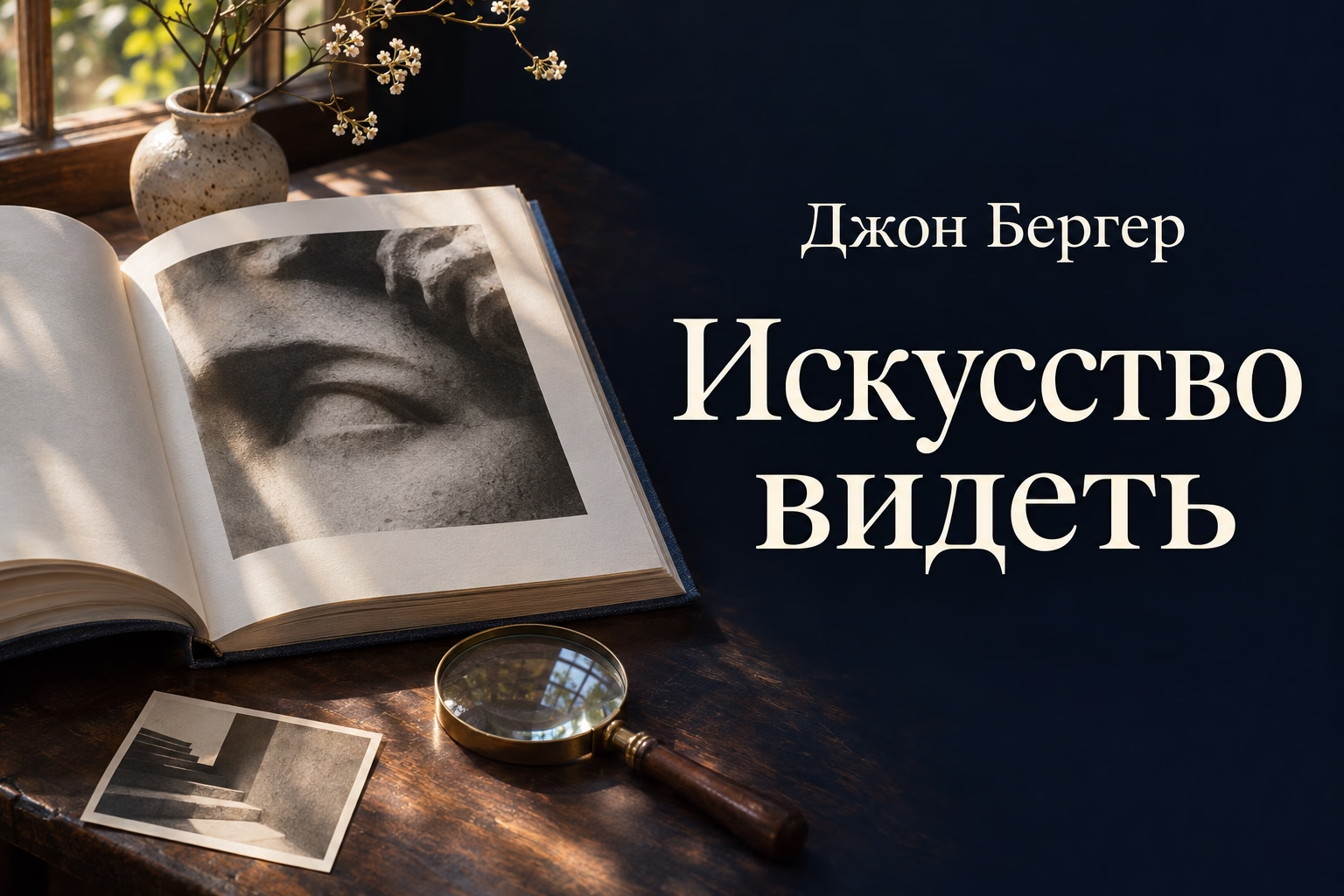
John Berger — Ways of Seeing
Ways of Seeing grew out of a BBC television project. Berger examines images in relation to ownership, reproduction and advertising.
His questions travel easily onto a city street. What kind of life does an advertisement promise? What makes it desirable? How does an image encourage us to assess ourselves and other people?
The familiar visual environment gradually becomes a subject of inquiry. A shop window, magazine cover or museum reproduction offers material for thinking about how perception works and who participates in shaping it.

Primo Levi — The Periodic Table
In The Periodic Table, chemical elements organise stories connecting professional knowledge, memory and human experience.
It is particularly rewarding to follow how precision becomes a way of relating to the world. A substance, an action or a circumstance calls for attention to significant details.
The book offers a question relevant to any craft: what must I notice to do my work well? A musician, teacher, researcher or editor can find reasons here to consider their own responsibility towards detail.

Thomas Kuhn — The Structure of Scientific Revolutions
In The Structure of Scientific Revolutions, Kuhn examines how scientific communities work within shared frameworks, or paradigms, and how those frameworks undergo profound change.
The book draws attention to the assumptions that organise inquiry. What counts as a meaningful problem? Which methods are trusted? What happens when persistent difficulties challenge an established explanation?
Read Kuhn with attention to the history of science, taking care when applying his concepts elsewhere. His work encourages a useful intellectual habit: examining the framework within which an answer becomes convincing. Sometimes understanding a disagreement requires looking closely at the assumptions each participant brings to it.
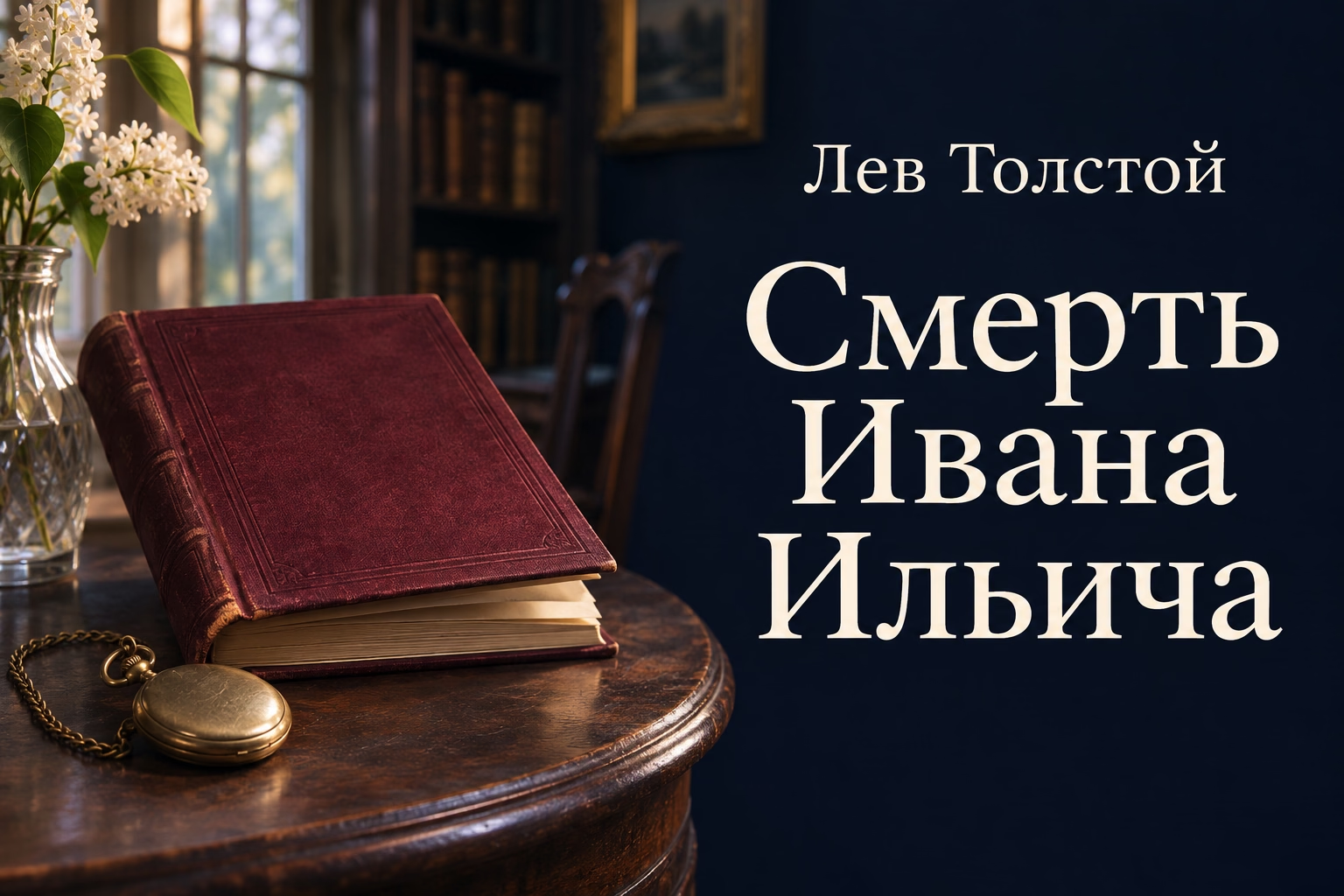
Leo Tolstoy — The Death of Ivan Ilyich
Tolstoy’s novella follows a judge whose apparently successful life comes into question as he confronts death.
Large questions emerge through ordinary circumstances: a career, a marriage, domestic arrangements and the opinions of colleagues. The details make the story unsettlingly recognisable. What have we accepted as success? Whose approval has shaped our choices? Which experiences have we postponed while attending to everything that seemed necessary?
Read slowly and notice how the characters speak, avoid difficult conversations and protect familiar routines. Tolstoy gives abstract questions an intimate human setting. The reader has to consider how those questions might apply to a life still being lived.
How to Read This Selection
Begin with the book whose question interests you most. Give yourself time to follow its reasoning, notice your resistance and return to passages that remain unresolved.
Afterwards, write down one idea you want to examine further and one situation you now understand differently. Discuss them with someone willing to challenge your interpretation. A disagreement can reveal a passage you overlooked or an assumption you brought to the page.
Over time, these encounters can change the questions you ask of everyday life. You may notice the circumstances behind an achievement, the promise inside an image or the values concealed in a routine decision. The next book begins with a more attentive reader.
Если вам понравилась эта статья — будем рады, если вы ею поделитесь


