



Stoicism: Calm in the Face of the World
Why do some events have the power to break us, while others only make us stronger? We will explore the Stoic view of emotions, fate, adversity, and the art of maintaining inner balance.
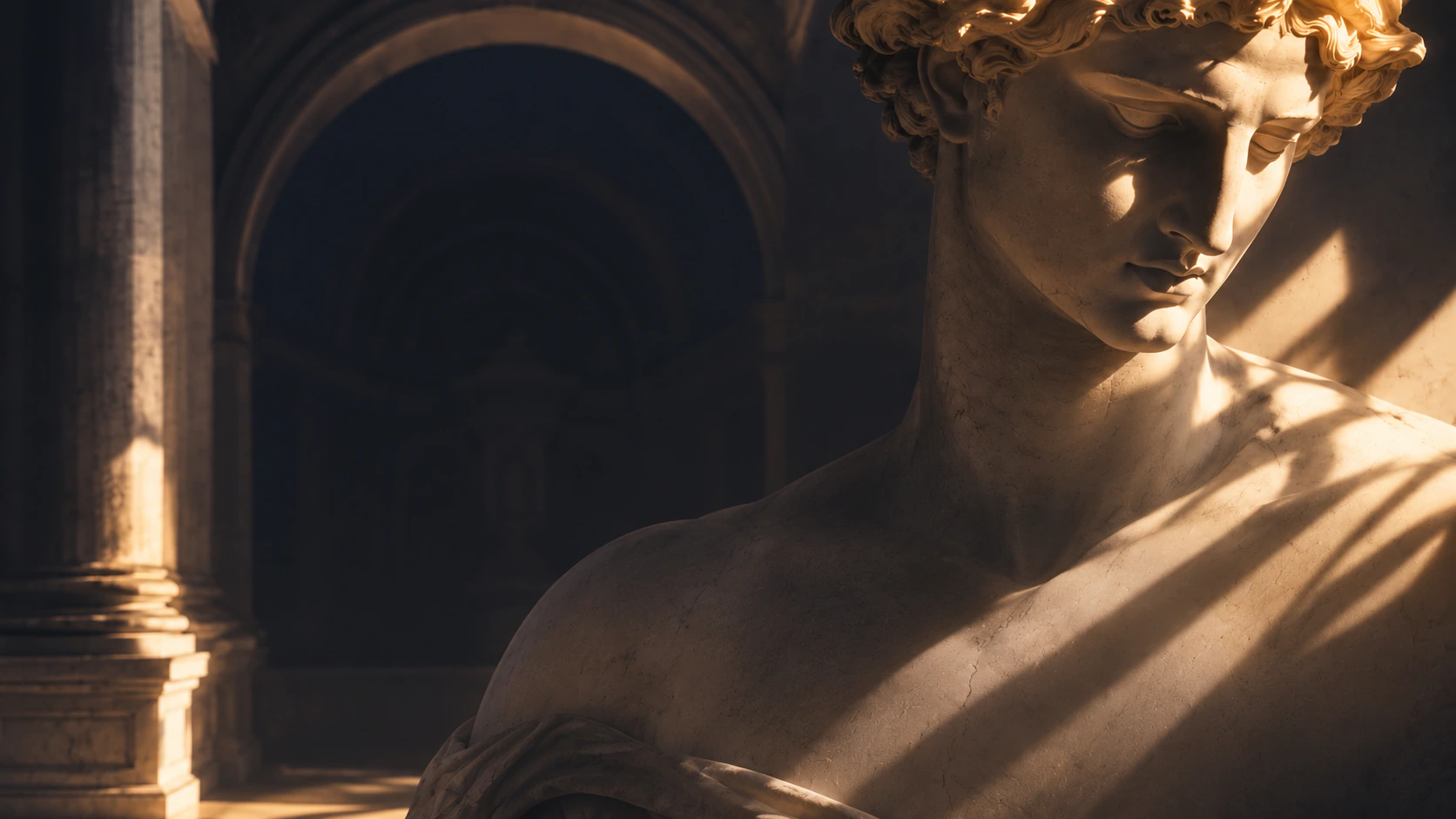
About the Event
Stoicism is one of the most influential philosophical traditions of antiquity, and its ideas continue to offer remarkably relevant answers to the questions faced by modern people.
We cannot control everything that happens around us. Illness, loss, other people's decisions, change, failure, and circumstances are often beyond our influence. But can we learn to change the way we respond to what happens to us?
During the event, we will turn to the ideas of Epictetus, Seneca, and Marcus Aurelius and explore what the Stoics meant by inner freedom. We will discuss the nature of emotions, our relationship with fate, fear, desire, and the ability to remain calm in the face of circumstances.
This will be more than an introduction to the history of philosophy. It will also be a conversation about questions that remain deeply relevant to each of us.
Event Programme
| Time | Topic |
|---|---|
| 18:00–18:15 | Welcome and introduction to the topic |
| 18:15–18:40 | What is Stoicism? The origins of the philosophical school and its key ideas |
| 18:40–19:10 | What Is Within Our Control? Epictetus and the art of distinguishing between what we can and cannot control |
| 19:10–19:25 | Break |
| 19:25–19:55 | Emotions and Inner Balance: Did the Stoics really advocate suppressing feelings? |
| 19:55–20:25 | Fate, Adversity, and Trials: How did the Stoics approach what cannot be changed? |
| 20:25–20:50 | Marcus Aurelius and the Philosophy of Everyday Life |
| 20:50–21:15 | Open discussion and questions from participants |
What We Will Discuss
- Why do we suffer because of events we cannot always change?
- What is truly within our control?
- Do we need to suppress our emotions in order to remain calm?
- Can we learn to perceive failure and loss differently?
- What did the Stoics mean by inner freedom?
- How should we approach fear, anxiety, and uncertainty?
- What does it mean to “live according to nature”?
- Can philosophy become a practical tool for everyday life?
Who Is This Event For?
This event is for those who:
- are interested in philosophy and the history of ideas;
- want to better understand Stoicism and ancient culture;
- reflect on freedom, choice, and responsibility;
- are looking for a philosophical perspective on stress, change, and life's difficulties;
- want to discover the works of Epictetus, Seneca, and Marcus Aurelius;
- enjoy meaningful conversations and intellectual discussions.
No prior knowledge is required. The event will be engaging both for those encountering Stoicism for the first time and for those who are already familiar with this philosophical tradition.
The Central Idea
Stoicism is often perceived as a philosophy of cold composure and emotional suppression. Yet behind this perception lies a much deeper idea.
We do not always choose the circumstances we find ourselves in. But we can choose how we respond to them.
During the event, we will explore how far this idea can truly take us and what it might mean for a person living in the 21st century.
Format
Lecture + Discussion
The first part will offer an engaging introduction to Stoic philosophy and the key ideas of its major thinkers.
The second part will be an open conversation with questions and discussion among participants.
Event Information
| Topic | Stoic Philosophy |
| Format | Lecture and Discussion |
| Duration | Approximately 3 hours |
| Level | No prior knowledge required |
| Language | English |
| Participants | Open to everyone |
The Question We Will Leave With
If we cannot control everything that happens in our lives, can we learn to control how we respond to it?
It is with this question that the conversation about true inner freedom begins.